Lunar Phases & Moon Rituals: Living by the Moon's Rhythm
The Moon completes its cycle roughly every 29.5 days, moving through eight distinct phases. Long before written calendars, this rhythm structured planting seasons, festivals and personal reflection — and it remains one of the most accessible entry points into astrological practice, since you can observe it every night.
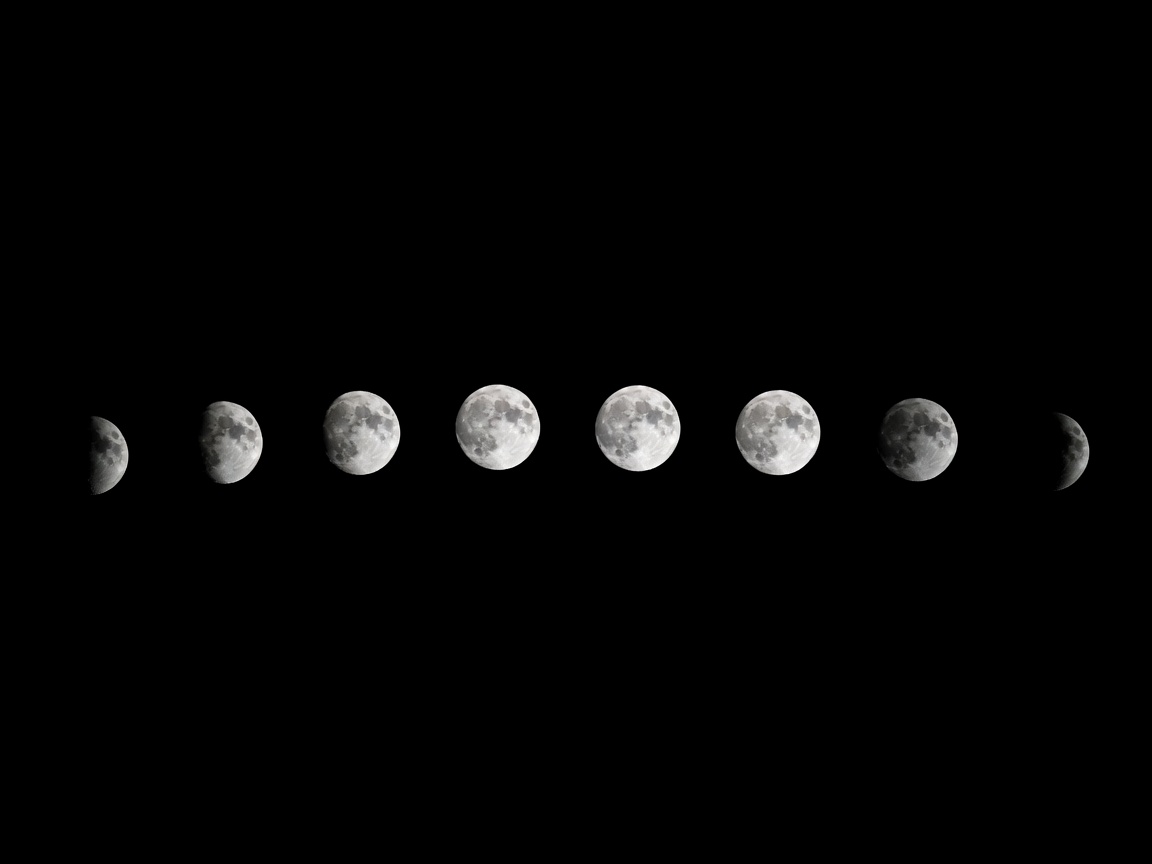
The Eight Lunar Phases
| Phase | Approx. Day | Traditional Meaning |
|---|---|---|
| New Moon | Day 0 | Fresh starts, setting intentions |
| Waxing Crescent | Day 3–6 | Taking first steps, building momentum |
| First Quarter | Day 7 | Overcoming obstacles, decision points |
| Waxing Gibbous | Day 10–13 | Refining, adjusting course |
| Full Moon | Day 14–15 | Culmination, clarity, release |
| Waning Gibbous | Day 17–20 | Gratitude, sharing what was learned |
| Last Quarter | Day 21–22 | Letting go, forgiveness |
| Waning Crescent | Day 25–28 | Rest, surrender, preparation |
Ritual Practices Per Phase
Moon rituals are simple, secular practices many people adopt regardless of astrological belief, functioning as a monthly check-in structure. During the New Moon, many journal a short list of intentions for the coming cycle. At the First Quarter, revisiting that list and troubleshooting obstacles keeps momentum honest. The Full Moon is traditionally used for release rituals — writing down what no longer serves you and safely burning or discarding the paper — as well as gratitude practices, since it marks the cycle's peak of visible light. During the Last Quarter and Waning Crescent, the emphasis shifts to rest, decluttering physical space, and preparing quietly for the next New Moon.
Moon Journaling Apps: Pros and Cons
Several apps now track lunar phases and prompt ritual journaling automatically, removing the need to memorise the calendar.
Pros
- Push notifications ensure you never miss a New or Full Moon
- Built-in journaling prompts lower the barrier to starting a practice
- Many sync moon sign data with your own birth chart automatically
Cons
- Premium tiers ($4–$10/month) are often required for full journaling history
- Notification fatigue can make the ritual feel like another chore, not reflection
- Apps that store personal journal entries raise their own data-privacy questions
Tips for Beginners
Start with just two markers a month: the New Moon and the Full Moon. Look up their exact dates and times for your time zone (any weather or astronomy app will list them), and set a five-minute reminder rather than committing to an elaborate ceremony. Consistency across a few cycles matters far more than the complexity of any single ritual — the value comes from noticing your own patterns over time, not from the moon itself.